Dubai is one of the most attractive destinations for international real estate investors due to its modern lifestyle and strong property market. Many overseas buyers often ask, can non residents buy property in Dubai and ” What rules apply to foreign ownership. The good news is that Dubai allows non-residents to purchase properties in designated freehold areas with full ownership rights. Investors can choose from apartments, villas, and commercial properties across some of the city’s most popular communities. In this guide, you will learn the requirements, benefits, and important steps for buying property in Dubai as a non-resident.
Can Non Residents Buy Property in Dubai?
Dubai has long been a magnet for global investors, and one of the most common questions among expats and international buyers is whether non-residents can purchase property in the city. The answer is a resounding yes—Dubai’s progressive real estate laws allow foreigners to own property freely in designated areas. Unlike many other countries where property ownership is restricted for non-residents, Dubai has created a thriving market for international buyers by introducing freehold ownership in specific zones. This policy has transformed Dubai into one of the most accessible real estate markets in the Middle East for foreigners.
Beyond the legal framework, understanding the key benefits and common misconceptions about non-resident ownership is essential before taking any step forward in the market.
Key Benefits of Buying Property in Dubai as a Non-Resident
- Full Ownership Rights: Non-residents can own property outright in designated freehold zones, with no restrictions on resale or inheritance.
- No Tax on Capital Gains: Unlike many countries, Dubai does not impose capital gains tax on property sales, making it a tax-efficient investment.
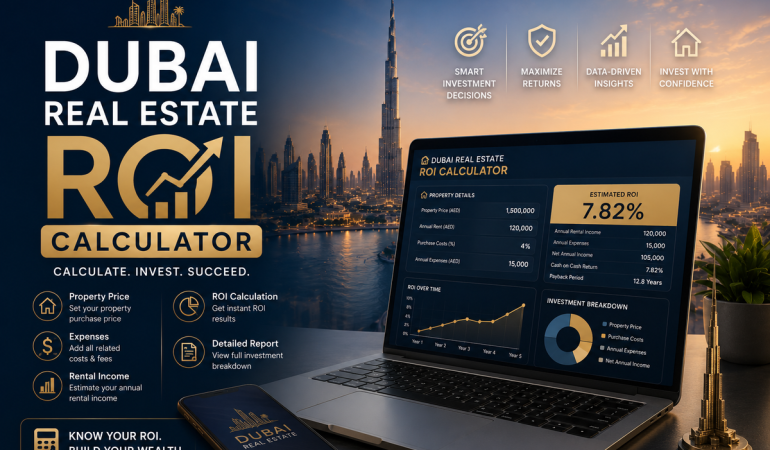
- High Rental Yields: The city’s booming rental market ensures strong returns for property owners, especially in high-demand areas like Dubai Marina and Downtown Dubai.
- Global Investment Hub: Dubai’s status as a financial and business hub attracts a diverse pool of tenants and buyers, enhancing liquidity in the market.
- Ease of Process: The Dubai Land Department (DLD) has streamlined the property buying process, reducing paperwork and speeding up transactions.
While the benefits are clear, it is equally important to address the widespread myths that often deter potential investors from making informed decisions.
Common Misconceptions About Non-Resident Property Ownership
- Only UAE Nationals Can Own Property: This is outdated. Dubai allows non-residents to own property in freehold areas, while other emirates like Abu Dhabi have different rules.
- Property Must Be Occupied by the Owner: Many assume that buying property in Dubai requires the owner to live there, but investment properties are common and encouraged.
- High Risk of Scams: While due diligence is always advised, Dubai’s regulated real estate market minimizes risks with licensed developers and notaries.
- Residency is Automatically Granted: Owning property does not automatically grant residency, though long-term visas are available under specific conditions.
- All Areas Allow Freehold Ownership: Only designated zones permit freehold ownership; other areas operate under leasehold agreements.
Understanding Dubai Freehold Property Laws
Dubai’s freehold property laws are the cornerstone of its appeal to international buyers. Introduced in 2002, these laws were a groundbreaking move that allowed foreigners to own property outright in specific areas of the emirate. The policy was designed to attract foreign investment, stimulate economic growth, and position Dubai as a global real estate hub. Today, the freehold model remains one of the most attractive features of Dubai’s property market, offering non-residents the same ownership rights as locals—with no restrictions on sale, rental, or inheritance.
The legal framework governing freehold property in Dubai is overseen by the Dubai Land Department (DLD), which ensures transparency and fairness in all transactions. The DLD’s role includes registering property deeds, managing disputes, and enforcing contracts, providing a robust system that protects both buyers and sellers. For those wondering if non-residents can buy property in Dubai, the answer lies in these laws, which explicitly permit foreign ownership in freehold zones while maintaining strict oversight to prevent fraud or misuse.
One of the most significant advantages of Dubai’s freehold laws is the absence of foreign ownership restrictions. Unlike countries where non-residents face quotas or additional taxes, Dubai’s model is straightforward: if the property is located in a freehold area, ownership is granted without discrimination. This has led to a diverse range of buyers, from individual investors to institutional players, all contributing to Dubai’s dynamic real estate landscape.
To make the most of these laws, it is crucial to first understand how freehold ownership differs from leasehold arrangements and what legal steps are involved in the purchase process.
How Freehold Ownership Differs from Leasehold
Understanding the difference between freehold and leasehold is critical for non-residents considering property in Dubai. While freehold ownership grants full and permanent rights to the property, leasehold involves a long-term lease (typically 99 years) where the land remains under government ownership. Here’s a breakdown of the key distinctions:
- Ownership Rights: Freehold: Full ownership of both the property and the land. Leasehold: Ownership of the property only; the land is leased from the government.
- Resale Flexibility: Freehold: Properties can be sold freely at any time. Leasehold: Resale is possible, but the remaining lease term is transferred to the new buyer.
- Legal Framework: Freehold: Governed by Dubai’s freehold laws, allowing unrestricted ownership. Leasehold: Subject to the terms of the lease agreement, which may include restrictions on modifications or subletting.
- Investment Potential: Freehold: Generally higher in value and liquidity due to full ownership. Leasehold: May offer lower entry costs, but with reduced long-term value appreciation.
- Areas Available: Freehold: Designated zones like Dubai Marina, Palm Jumeirah, and Downtown Dubai. Leasehold: Most other areas in Dubai, including some residential and commercial zones.
Once the distinction between ownership types is clear, the next step is understanding the exact legal procedure required to complete a freehold property purchase in Dubai.
The Legal Process for Freehold Property Purchase
- Choose a Freehold Property: Select a property in a designated freehold zone, ensuring it meets your investment or residential needs.
- Sign a Memorandum of Understanding (MOU): This preliminary agreement outlines the terms of the sale and is legally binding.
- Pay the Deposit: Typically,y 10% of the property price is paid upfront to secure the purchase.
- Due Diligence: Conduct thorough checks, including verifying the developer’s license, property title, and any pending legal issues.
- Sign the Sale Agreement: This formalizes the transaction and includes details like payment plans, completion dates, and penalties for default.
- Pay the Remaining Amount: The balance is paid, usually in stages, as per the agreement.
- Register the Property: The DLD registers the transfer of ownership, and the buyer receives the Ejari certificate, which is the legal proof of ownership.
For those navigating rules for foreign property ownership in Dubai, adherence to these steps is essential. The process is designed to be transparent, with each stage overseen by legal and financial experts to ensure a smooth transaction.
Types of Properties Available for Foreign Buyers
Dubai’s real estate market offers a diverse range of properties tailored to the needs of non-resident buyers. Whether you’re looking for a luxury villa, a high-rise apartment, or a commercial space, the options are vast and varied. The city’s developers have created a mix of residential, commercial, and mixed-use properties, each designed to cater to different investment strategies and lifestyle preferences. For those exploring whether non-residents can buy property in Dubai, the variety of property types is one of the most compelling reasons to invest.
Residential properties dominate the market, with options ranging from luxury penthouses in iconic skyscrapers to modern apartments in family-friendly communities. Commercial properties, including offices, retail spaces, and warehouses, are also highly sought after, particularly in business districts like Dubai Internet City and Dubai Media City. Additionally, Dubai’s freehold zones feature mixed-use developments, where residential, commercial, and recreational spaces are integrated into single projects, offering convenience and lifestyle benefits.
Each property type serves a distinct purpose and investment profile, making it important to understand the full range of options available before committing to a purchase.
Popular Property Types for Non-Resident Buyers
- Apartments: Ideal for investors seeking high rental yields or those looking for a second home. Apartments are available in a wide range of sizes and budgets, from studio units to multi-bedroom luxury residences.
- Villas: Offered in gated communities with amenities like pools, gyms, and security. Villas are popular among families and those seeking privacy and space.
- Townhouses: A middle-ground option between apartments and villas, townhouses provide individual ownership with shared amenities.
- Penthouses: High-end residential units located at the top of buildings, often featuring exclusive views and premium finishes.
- Off-Plan Properties: Newly constructed properties are sold before completion, allowing buyers to secure units at lower prices and customize their homes.
- Commercial Spaces: Offices, retail units, and warehouses in business hubs like Dubai Internet City, Dubai Media City, and Dubai Design District (d3). These are ideal for entrepreneurs and investors looking to establish a presence in Dubai’s thriving economy.
- Serviced Apartments: Fully furnished units with additional services such as housekeeping, maintenance, and concierge, catering to short-term residents or investors seeking hassle-free living.
- Land Plots: Available in freehold zones like Dubai Hills Estate and Dubai Sports City, allowing buyers to develop custom properties or build from scratch.
- Short-Term Rental Properties: Properties in areas like Dubai Marina and Palm Jumeirah are popular for Airbnb or vacation rentals, offering high occupancy rates and strong returns.
For non-residents considering how foreign investors buy property in the UAE, the choice of property type depends on investment goals. Residential properties are ideal for long-term appreciation and rental income, while commercial spaces offer stability and business opportunities. Off-plan properties, in particular, have gained popularity due to their affordability and potential for capital growth as the project nears completion.
Best Freehold Areas in Dubai for Non-Residents
Dubai’s freehold zones are strategically located to offer convenience, luxury, and high returns on investment. These areas are not only home to some of the city’s most iconic landmarks but also provide access to world-class amenities, transportation, and business opportunities. For non-residents exploring whether non-residents can buy property in Dubai, selecting the right freehold area is crucial for maximizing both lifestyle and financial benefits.
The most sought-after freehold areas in Dubai are known for their high rental yields, appreciation potential, and quality of life. Whether you’re looking for a family home, a luxury investment, or a commercial space, these zones offer something for every buyer. Below is a detailed look at the top freehold areas, along with the key factors to consider when making your choice.
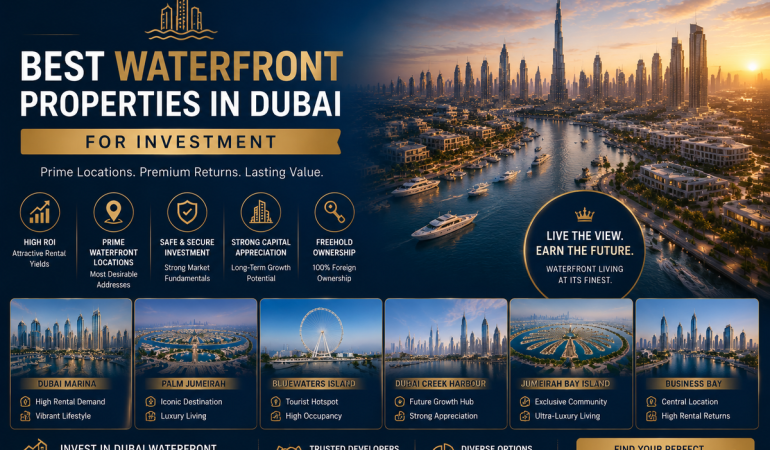
Top Freehold Areas in Dubai for Investment and Residential Living
- Downtown Dubai: Home to the Burj Khalifa, Dubai Mall, and Dubai Fountain, this area is synonymous with luxury and prestige. Ideal for high-net-worth individuals and investors seeking premium residential and commercial properties. Offers high rental yields due to its status as a global tourist and business hub. Features iconic projects like The Dubai Mall Residences and The Address Downtown.
- Dubai Marina: A waterfront development with stunning views of the marina and Hymenocallis Park. Popular among young professionals, expats, and investors due to its vibrant lifestyle and high rental demand. Known for its high-rise residential towers and marina-side villas. Offers excellent connectivity via the Dubai Metro and Marine Drive.
- Palm Jumeirah: An artificial island shaped like a palm tree, featuring luxury villas, apartments, and beachfront properties. Attracts affluent buyers and tourists, ensuring high rental income and capital appreciation. Home to Atlantis The Palm, one of the world’s largest integrated resorts. Ideal for those seeking exclusivity and waterfront living.
- Dubai International Financial Centre (DIFC): A business district catering to financial and professional services, with a high demand for commercial and residential properties. Offers freehold offices, serviced apartments, and luxury residences. Ideal for investors looking to tap into Dubai’s financial sector. Features projects like DIFC Residences and The Gate.
- Dubai Sports City: A sprawling development dedicated to sports and leisure, featuring villas, townhouses, and golf courses. Appeals to families and sports enthusiasts with its gated communities and recreational facilities. Offers long-term appreciation potential due to its strategic location near Dubai’s business districts.
- Business Bay: A mixed-use development blending residential, commercial, and retail spaces. Known for its modern architecture and high-rise living. Popular among young professionals and investors due to its central location and affordability compared to other freehold zones.
Choosing the right area goes beyond location alone — several practical and strategic factors must be weighed carefully to align your investment with your long-term goals.
Key Factors to Consider When Choosing a Freehold Area
- Investment Goals: Are you looking for capital appreciation, high rental yields, or a long-term residence? Areas like Downtown Dubai and Palm Jumeirah offer luxury and prestige but come with higher price tags. Dubai Marina and Business Bay provide strong rental returns and are more budget-friendly.
- Lifestyle Preferences: Do you prefer waterfront living, urban convenience, or family-friendly communities? Palm Jumeirah and Dubai Marina are ideal for those who love beachside and marina lifestyles. Dubai Sports City and Dubai Hills Estate cater to families with their spacious villas and outdoor activities.
- Connectivity and Accessibility: Proximity to the Dubai Metro, major highways, and airports is critical for convenience. Downtown Dubai and DIFC offer unparalleled connectivity, making them ideal for business professionals. Business Bay and Jumeirah Lakes Towers (JLT) provide excellent transport links while being more affordable.
- Future Development Potential: Areas under ongoing or planned developments often offer better long-term growth. Dubai Creek Harbour and Meadows are emerging freehold zones with significant development potential. Dubai Hills Estate and Motor City are expanding rapidly, attracting investors looking for early entry.
- Target Tenant Demographic: Tourist-heavy areas like Palm Jumeirah and Downtown Dubai attract short-term rentals and luxury buyers. Family-oriented zones like Dubai Sports City and Dubai Hills Estate appeal to long-term residents. Young professionals prefer Business Bay and JLT for their modern amenities and social scene.
For non-residents evaluating rules for foreign property ownership in Dubai, selecting the right freehold area aligns with both legal compliance and financial strategy. Each zone offers distinct advantages, making it essential to align your choice with your investment objectives and lifestyle needs.
FAQs
Does buying property in Dubai provide residency benefits?
Yes, buying property in Dubai can provide residency benefits for foreign investors under certain conditions. Investors who purchase eligible properties may qualify for renewable residency visas or long-term Golden Visas. The visa type usually depends on the property value and ownership status.
What are the best areas for non-residents to invest in Dubai real estate?
Some of the best areas for non-residents to invest in Dubai real estate include Dubai Marina, Downtown Dubai, Business Bay, and Palm Jumeirah. These locations offer high rental demand, luxury lifestyles, and strong property appreciation potential. Investors also prefer these areas because of their modern infrastructure and prime locations.
Is Dubai property investment profitable for foreigners?
Dubai property investment is considered highly profitable for foreigners due to strong rental yields and tax-free ownership benefits. The city attracts millions of tourists, professionals, and business investors every year, increasing property demand. Many foreign investors also benefit from long-term capital appreciation in key freehold areas.
 hsnmokh15@gmail.com