How to invest in Dubai real estate as a foreigner?
 hsnmokh15@gmail.com

Dubai has become one of the world’s most attractive destinations for international property investment thanks to its strong economy, modern infrastructure, and investor-friendly regulations. Many global investors are interested in learning how to invest in Dubai real estate as a foreigner because the city offers tax advantages, high rental yields, and access to luxury real estate opportunities. Dubai’s freehold property laws and growing real estate market make it possible for foreigners to purchase residential and commercial properties in designated areas with full ownership rights.
Dubai has become one of the world’s leading destinations for real estate investment thanks to its strong economy, strategic global location, and investor-friendly regulations. Many international buyers are interested in how to invest in Dubai real estate as a foreigner because the city offers tax advantages, high rental yields, luxury properties, and long-term growth opportunities in a rapidly developing market.
Yes, foreigners can absolutely buy property in Dubai, and the process has become increasingly straightforward over the years. The UAE government has implemented policies to encourage foreign investment, making it easier than ever for international buyers to enter the market. However, the ability to purchase property depends on the type of ownership—whether it’s freehold or leasehold—and the specific area within Dubai.
The introduction of freehold zones in the early 2000s marked a turning point for foreign investors. Before this, non-UAE nationals could only acquire property on a leasehold basis, typically for up to 99 years. Today, over 90% of Dubai’s land is designated as freehold, allowing foreigners to own property outright without time restrictions. This shift has democratized access to Dubai’s real estate market, attracting a diverse range of investors from around the world.
The UAE government has implemented several policies to facilitate foreign property ownership, ensuring a transparent and investor-friendly environment. Here are the key policies that make investing in Dubai real estate as a foreigner a seamless experience:
Foreigners from any country can invest in Dubai real estate, provided they comply with the local laws and regulations. There are no restrictions based on nationality, and the process is open to individuals, corporations, and even offshore companies. However, certain legal formalities must be followed to ensure a smooth transaction.
One of the most critical aspects of how to invest in Dubai real estate as a foreigner is understanding the difference between freehold and leasehold properties. These two ownership models dictate the rights and limitations of foreign buyers in Dubai, and choosing the right area can significantly impact your investment strategy.
Freehold properties are the gold standard for foreign investors in Dubai, offering complete ownership rights without any time restrictions. In freehold zones, investors can buy, sell, rent, or mortgage their property just like a resident. This model is particularly popular in prime areas such as Downtown Dubai, Dubai Marina, and Palm Jumeirah, where demand is high and development is ongoing.
To better understand Dubai freehold property explained for foreigners, consider the following advantages:
While freehold areas dominate Dubai’s real estate market, leasehold properties still play a role, particularly in older developments or areas where freehold status has not yet been granted. Leasehold properties are typically available for a term of 99 years, renewable under certain conditions. Although this model is less desirable for longterm investors, it can still offer opportunities in emerging areas or for shortterm investment strategies.
Investing in Dubai real estate as a foreigner involves adhering to specific legal requirements to ensure a smooth and compliant transaction. The UAE government has established a clear framework to protect both buyers and sellers, but understanding these requirements is crucial to avoid pitfalls. Below are the essential legal steps and documentation needed for foreign investors.
Before purchasing property in Dubai, foreign investors must gather and submit the following documents to complete the transaction legally:
The process of buying property in Dubai involves several key steps, each requiring careful attention to legal and financial details. Here’s a numbered breakdown of the typical purchase journey for foreign investors:
Begin by identifying potential properties through real estate portals, developers’ websites, or consultations with real estate agents. Focus on areas that align with your investment goals, whether it’s capital appreciation, rental income, or lifestyle preferences.
Conduct thorough due diligence by verifying the property’s legal status, ownership history, and any pending developments in the area. This step is critical to avoid properties with encumbrances or legal disputes.
Sign a preliminary agreement (MOU) with the seller or developer, outlining the terms of the sale, including the purchase price, payment plan, and completion timeline. This document is not legally binding but sets the foundation for the sale agreement.
Finalize the legally binding Sale and Purchase Agreement (SPA) with the assistance of a real estate lawyer. This document includes detailed terms such as payment schedules, penalties for breaches, and conditions for title transfer.
Pay the agreed-upon deposit (typically 1020% of the property value) and complete the remaining payment as per the SPA. Once the payment is settled, register the property with the Dubai Land Department (DLD) to obtain the title deed.
The final step involves receiving the title deed, which legally transfers ownership to the buyer. This document must be collected from the DLD, and it’s advisable to have your lawyer present during this process to ensure accuracy.
Dubai’s real estate market is diverse, with each area offering unique advantages for investors. Whether you’re seeking high rental yields, capital appreciation, or lifestyle benefits, selecting the right location is key to a successful investment. Below are some of the top areas in Dubai for foreign investors, each with distinct characteristics and opportunities.
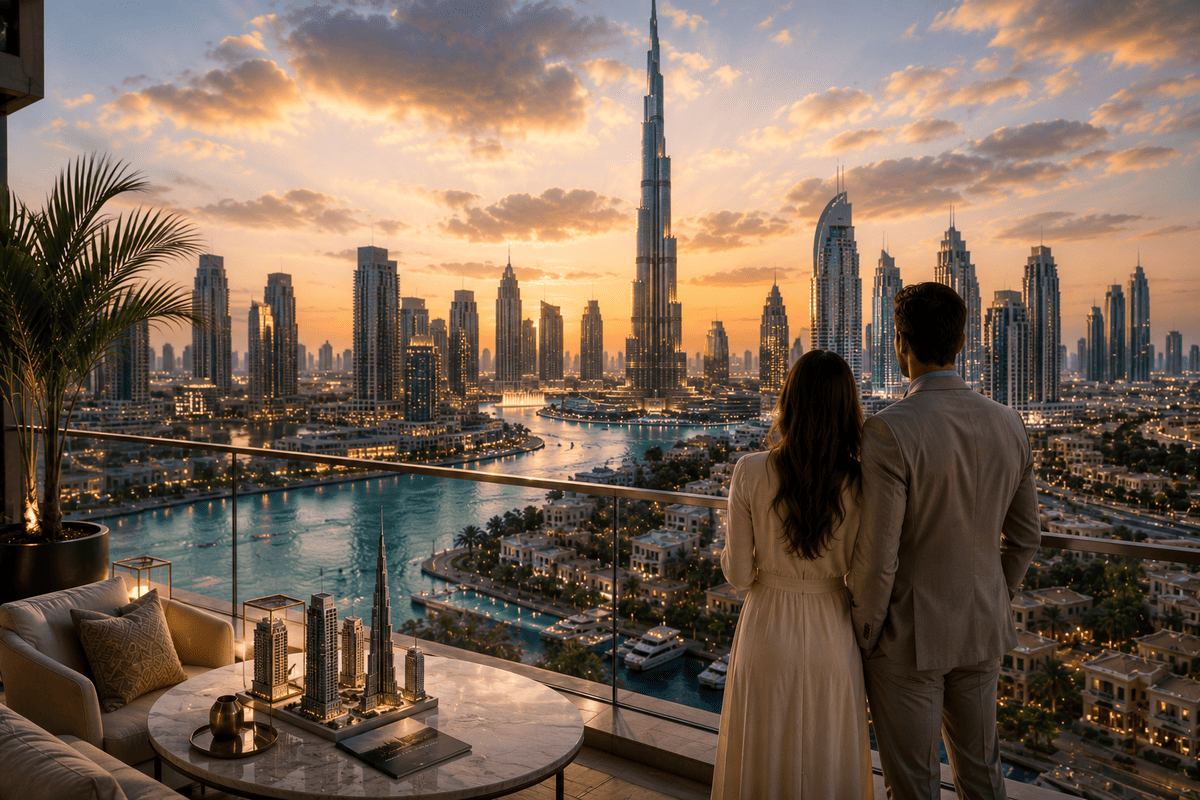
Downtown Dubai is the epitome of luxury and modernity, making it one of the most sought-after locations for both residential and commercial investments. This iconic district is home to the Burj Khalifa, Dubai Mall, and Dubai Fountain, attracting millions of visitors annually. For investors looking to capitalize on Dubai’s high-end market, Downtown offers unparalleled prestige and long-term value.
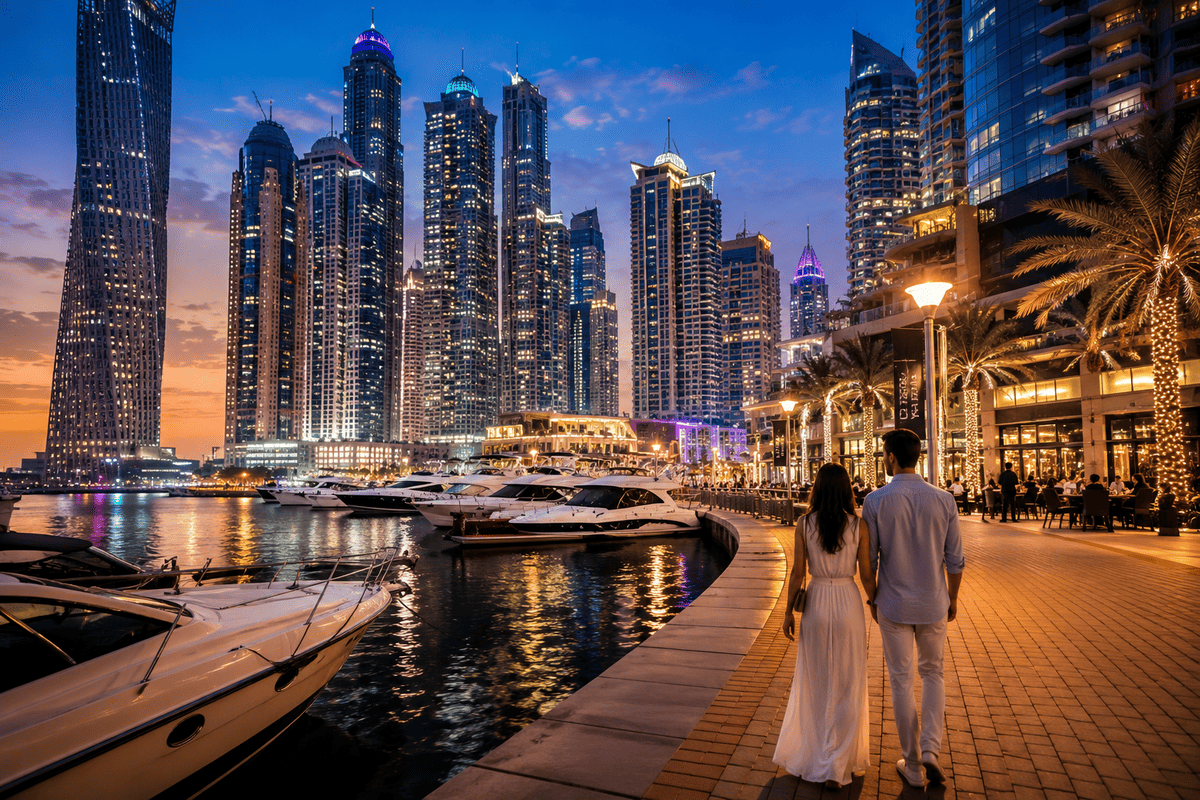
Dubai Marina is a waterfront marvel that blends residential, commercial, and leisure spaces into one dynamic community. Known for its stunning skyline, marina views, and vibrant lifestyle, this area attracts a young, affluent demographic, including professionals, families, and investors. Dubai Marina is particularly popular for its high rental yields and lifestyle appeal.
Investors considering Dubai Marina should note the following benefits:
Palm Jumeirah is Dubai’s most iconic manmade island, renowned for its palm tree-shaped design, luxury villas, and beachfront properties. This area is synonymous with exclusivity and high-end living, making it a prime target for investors seeking prestige and long-term appreciation. Palm Jumeirah’s limited land supply and architectural uniqueness contribute to its status as a high-value investment destination.
Foreign investors can finance property purchases in Dubai through local banks that offer mortgage options for non-residents and expatriates. Mortgage eligibility usually depends on factors such as income, credit history, down payment size, and property value. Some developers also provide flexible payment plans for off-plan properties, making investment more accessible for international buyers.
Like any property market, investing in Dubai real estate carries risks such as market fluctuations, changing property prices, and economic uncertainty. Investors may also face risks related to project delays, oversupply in certain areas, or unexpected maintenance and service costs. Conducting proper market research and working with regulated professionals can help reduce these investment risks.
Investors should choose real estate developers with strong reputations, successful project histories, and proper registration with Dubai’s regulatory authorities, such as the Dubai Land Department (DLD) and RERA. Reviewing past projects, customer feedback, and financial stability can also help evaluate reliability. Working with licensed real estate agents and legal advisors adds an extra layer of protection during the investment process.